10 Common Crypto Mistakes Beginners Make
Learn from others' expensive mistakes. This guide covers the most common cryptocurrency errors beginners make and provides actionable advice to protect your investments and avoid costly pitfalls.
Introduction
The cryptocurrency market presents unprecedented opportunities for financial growth and innovation, but it also harbours unique risks that can lead to devastating financial losses for unprepared investors. Unlike traditional financial systems with built-in safety nets, regulatory oversight, and consumer protections, the cryptocurrency ecosystem operates in a largely unregulated environment where individual responsibility and knowledge are the primary defences against costly mistakes.
The decentralised nature of cryptocurrency, while offering numerous benefits including financial sovereignty and global accessibility, also means that errors in judgement, technical mistakes, or security oversights can result in permanent and irreversible losses. There are no customer service representatives to call when funds are sent to the wrong address, no insurance policies to cover exchange hacks, and no central authority to reverse fraudulent transactions once they're confirmed on the blockchain.
Understanding and avoiding common cryptocurrency mistakes is not just about protecting your investment capital—it's about developing the knowledge and discipline necessary to participate safely in what many consider to be the future of finance. The stories of lost fortunes, stolen funds, and devastating scams serve as powerful reminders that success in cryptocurrency requires more than just market timing and investment acumen; it demands a comprehensive understanding of security practices, risk management, and the technical fundamentals that underpin digital assets.
This comprehensive guide examines the most common and costly mistakes made by cryptocurrency investors, from beginners making their first purchase to experienced traders who let their guard down. Each mistake category includes real-world examples, statistical data on losses, and most importantly, practical strategies for prevention that can help you navigate the cryptocurrency landscape safely and successfully.
The cryptocurrency space evolves rapidly, with new technologies, platforms, and investment opportunities emerging regularly alongside new types of scams and security threats. Staying informed about these developments and maintaining a security-first mindset is essential for long-term success in cryptocurrency investing. By learning from the mistakes of others and implementing proven safety practices, you can significantly reduce your risk while positioning yourself to benefit from the tremendous opportunities that cryptocurrency markets offer.
Recent market developments have introduced new categories of mistakes as the ecosystem has matured, including DeFi protocol risks, NFT scams, and sophisticated social engineering attacks that target cryptocurrency users specifically. The rise of institutional adoption has also created new compliance requirements and regulatory considerations that individual investors must navigate carefully to avoid legal complications alongside financial losses.
Whether you're a complete beginner taking your first steps into cryptocurrency or an experienced investor looking to refine your security practices, this guide provides the knowledge and tools necessary to protect your investments and avoid the costly mistakes that have claimed billions of dollars in cryptocurrency assets. The goal is not to discourage participation in this exciting and potentially lucrative market, but to ensure that your participation is informed, secure, and sustainable over the long term.
The psychological aspects of cryptocurrency investing also contribute to common mistakes, as the combination of high volatility, fear of missing out, and the technical complexity of the space can lead to emotional decision-making and poor risk management. Understanding these psychological factors and developing strategies to counteract them is an essential component of successful cryptocurrency investing that goes beyond technical knowledge and security practices.
Why Crypto Mistakes Are So Costly
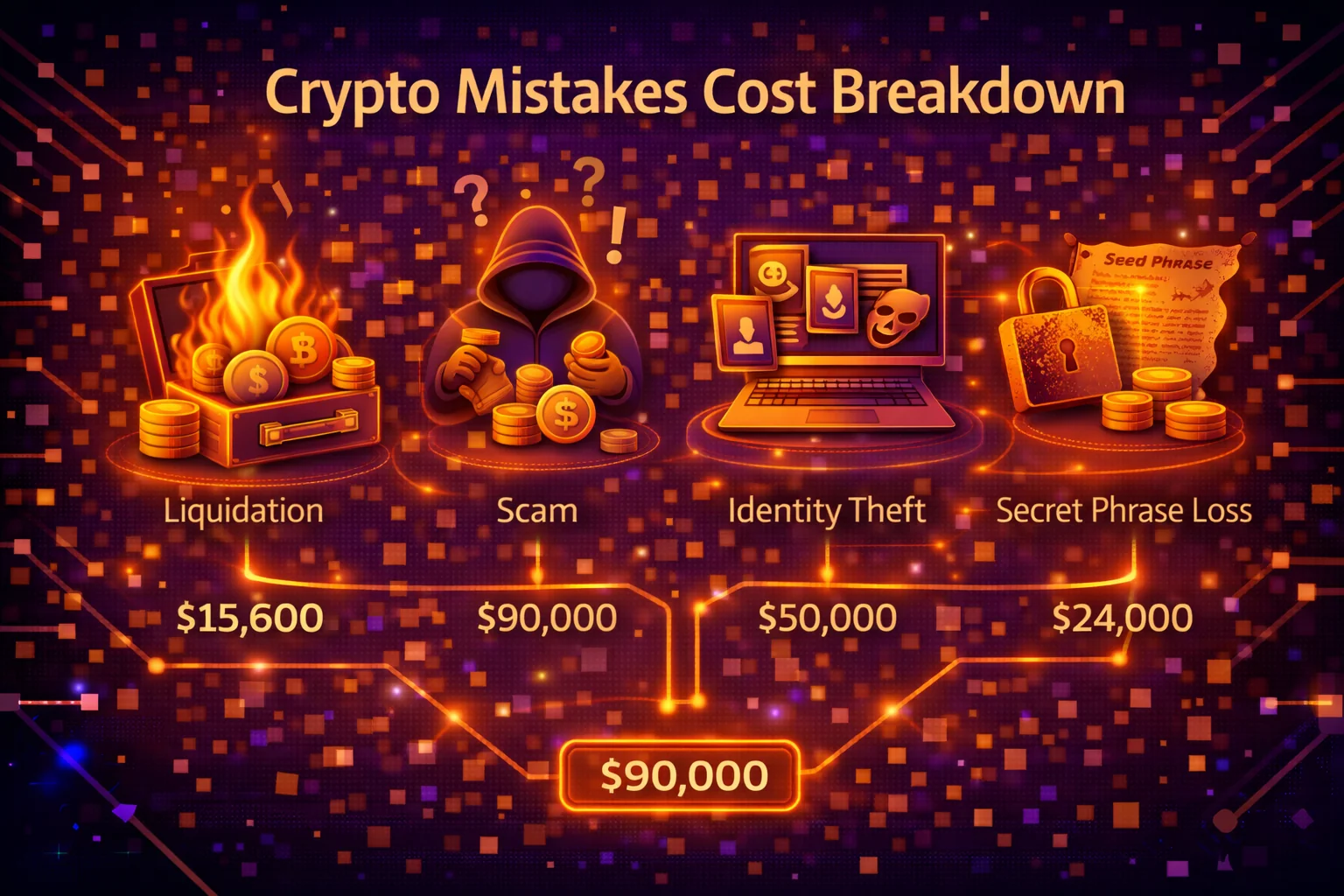
Cryptocurrency is unforgiving. Unlike traditional banking, there's no customer service to call when you send money to the wrong address, no FDIC insurance if an exchange gets hacked, and no way to reverse transactions once they're confirmed on the blockchain.
The good news? Most crypto mistakes are completely preventable with proper education and careful planning. By learning from others' mistakes, you can safeguard your investments and navigate the cryptocurrency space safely.
The Cost of Crypto Mistakes: By the Numbers
The cryptocurrency space has seen billions in losses due to preventable mistakes:
- $3.8 billion lost to scams in 2022 according to Chainalysis
- 20% of all Bitcoin (approximately 4 million BTC) is estimated to be permanently lost
- $1.7 billion stolen from DeFi protocols in 2022 alone
- 68% of crypto investors have made at least one costly mistake
- Average loss per victim: $7,500 for investment scams
Most Common Loss Categories
| Loss Type | Percentage of Cases | Average Loss | Preventability |
|---|---|---|---|
| Investment Scams | 45% | $7,500 | 100% |
| Lost Private Keys | 23% | $12,000 | 95% |
| Exchange Hacks | 15% | $3,200 | 80% |
| Wrong Address Sends | 10% | $1,800 | 99% |
| Emotional Trading | 7% | $4,500 | 90% |
The Psychology Behind Crypto Mistakes
Understanding why people make these mistakes is crucial for prevention:
- Overconfidence bias: Beginners often overestimate their knowledge
- FOMO (Fear of Missing Out): Drives impulsive investment decisions
- Complexity overwhelm: Technical aspects can be intimidating
- Get-rich-quick mentality: Unrealistic expectations about returns
- Lack of traditional safeguards: No safety nets like in traditional finance
1. FOMO Buying at Market Peaks
The Mistake:
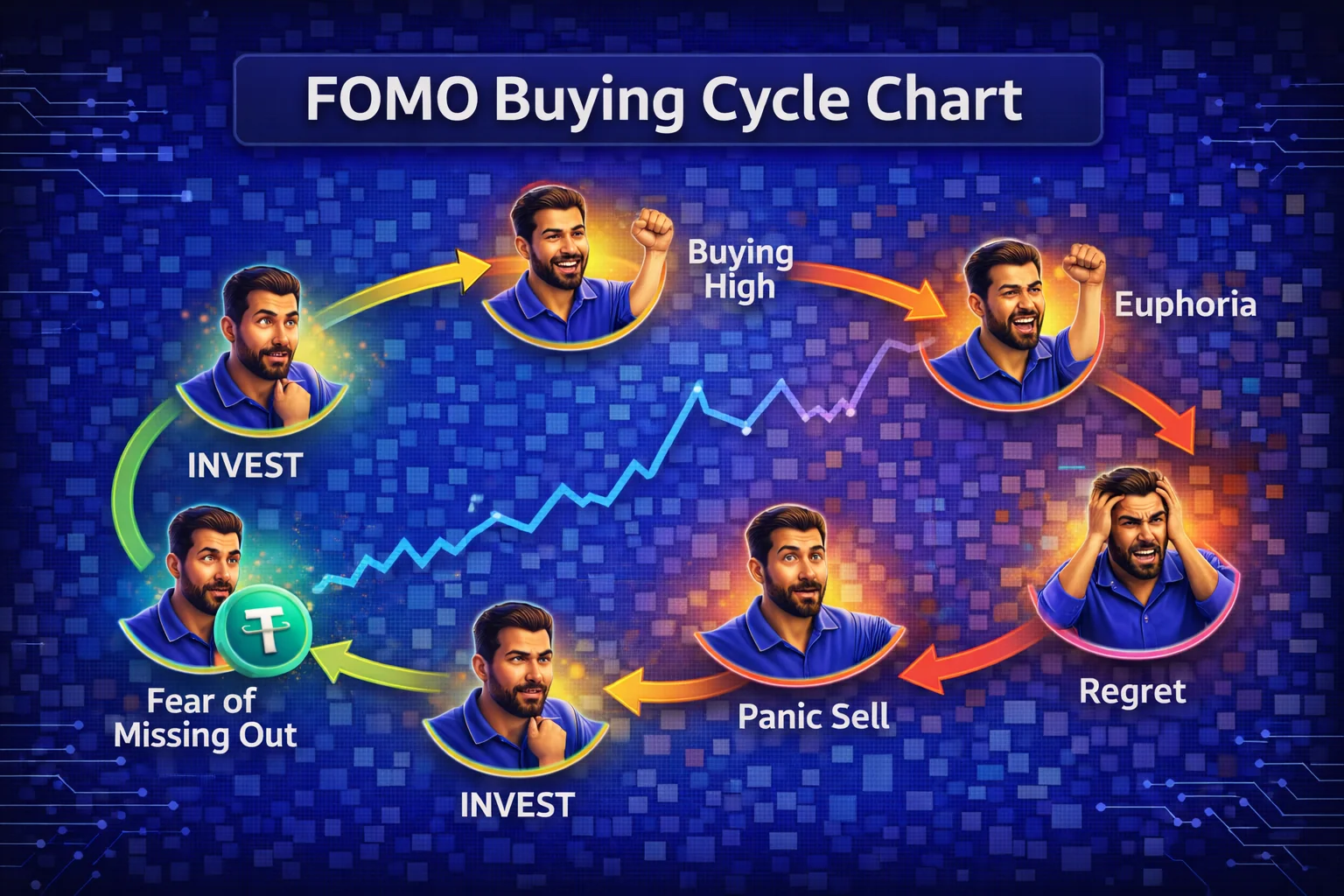
Buying cryptocurrency when prices are skyrocketing due to media hype or social media buzz. This often occurs during bull markets, when everyone is talking about crypto and prices seem to only rise.
Real-World Examples:
- Bitcoin 2017: Many bought BTC at $19,000+ only to watch it crash to $3,200
- Dogecoin 2021: FOMO buyers at $0.70 saw 90% losses within months
- NFT Mania 2021: Expensive JPEGs bought for thousands now worth pennies
- Terra Luna 2022: FOMO into "guaranteed" 20% yields led to total collapse
Why It's Dangerous:
- Peak pricing: You buy at the highest prices when euphoria is maximum
- Market cycles: What goes up fast often comes down faster
- Emotional decisions: Fear and greed override rational analysis
- Panic selling: FOMO buyers often become panic sellers
- Opportunity cost: Miss better entry points during corrections
Market Psychology Indicators
Learn to recognise when markets are overheated:
- Media coverage: Mainstream news covering crypto extensively
- Social media buzz: Everyone posting about their crypto gains
- Celebrity endorsements: Famous people promoting specific coins
- "This time is different" mentality: Belief that normal rules don't apply
- Taxi driver test: When random people give you crypto advice
How to Avoid FOMO:
Dollar-Cost Averaging (DCA) Strategy
- Fixed schedule: Buy the same amount weekly/monthly regardless of price
- Emotion removal: Systematic approach removes emotional decisions
- Average cost basis: Smooths out volatility over time
- Example: $100/week into Bitcoin vs $5,200 lump sum
Contrarian Investing Approach
- Buy fear, sell greed: Invest when others are pessimistic
- Market sentiment indicators: Use Fear & Greed Index as contrarian signal
- Price alerts: Set alerts for 20-30% drops, not rises
- Patience pays: Wait for genuine opportunities
Pre-Planning Your Strategy
- Investment thesis: Write down why you're investing before buying
- Entry criteria: Define specific conditions for buying
- Position sizing: Never invest more than planned allocation
- Time horizon: Decide if this is short or long-term investment
2. Not Securing Private Keys Properly
The Mistake:
Storing private keys or seed phrases digitally (screenshots, cloud storage, email) or sharing them with others. Many beginners don't understand that whoever controls the private keys controls the cryptocurrency.
Why It's Dangerous:
- Hackers can steal your entire crypto portfolio
- Cloud storage can be compromised
- Phone/computer theft means lost funds
- No way to recover stolen cryptocurrency
How to Avoid It:
- Write Down Seed Phrases: Use pen and paper, never digital storage
- Use Multiple Copies: Store backups in different secure locations
- Consider Metal Backups: Fire and water-resistant storage solutions
- Never Share Keys: Legitimate services never ask for private keys
- Use Hardware Wallets: For larger amounts, use offline storage
3. Falling for Cryptocurrency Scams
The Mistake:
Believing in "get rich quick" schemes, fake giveaways, phishing websites, or investment opportunities that promise guaranteed returns. Scammers specifically target cryptocurrency beginners who lack experience, stealing billions of dollars annually.
Detailed Scam Analysis
1. Fake Giveaway Scams
How it works: Scammers impersonate celebrities or companies, claiming to double any crypto sent to them.
- Common targets: Elon Musk, Vitalik Buterin, major exchanges
- Platforms: Twitter, YouTube, Telegram
- Red flags: Requests for upfront payments, urgency, too good to be true
- 2022 losses: Over $384 million to giveaway scams
2. Phishing and Fake Websites
How it works: Scammers create fake versions of popular crypto websites to steal login credentials.
- Common targets: Binance, Coinbase, MetaMask, Uniswap
- Techniques: Similar URLs, fake SSL certificates, copied designs
- Distribution: Google ads, social media, email campaigns
- Protection: Always type URLs manually or use bookmarks
3. Investment/Ponzi Schemes
How it works: Promise guaranteed high returns using new investor money to pay earlier investors.
- Examples: BitConnect, OneCoin, PlusToken
- Promises: 1% daily returns, "risk-free" trading bots
- Warning signs: Guaranteed returns, referral bonuses, withdrawal restrictions
- Total losses: Over $10 billion in major Ponzi schemes
4. Romance/Social Engineering Scams
How it works: Scammers build relationships on dating apps or social media, then request crypto.
- Platforms: Tinder, Facebook, Instagram, LinkedIn
- Tactics: Fake profiles, emotional manipulation, "investment opportunities"
- Average loss: $16,000 per victim
- Growth: 1,800% increase in romance scams involving crypto
5. Fake Customer Support
How it works: Scammers impersonate support staff to steal credentials or funds.
- Channels: Telegram, Discord, fake phone numbers
- Requests: Seed phrases, private keys, screen sharing
- Red flag: Legitimate support NEVER asks for private keys
- Prevention: Only use official support channels
Advanced Scam Protection Strategies
Technical Verification Methods
- SSL certificate checking: Verify website security certificates
- Domain age verification: Check when websites were registered
- Smart contract audits: Only use audited DeFi protocols
- Team verification: Research team members' LinkedIn profiles
Community Due Diligence
- Reddit research: Check r/CryptoCurrency for scam warnings
- Telegram analysis: Look for bot activity and fake members
- GitHub activity: Verify active development
- Media coverage: Search for negative news or warnings
Financial Red Flags
- Guaranteed returns: No legitimate investment guarantees profits
- Pressure tactics: "Limited time offers" or "act now" messaging
- Referral focus: More emphasis on recruiting than the product
- Withdrawal restrictions: Difficulty accessing your funds
- Unregistered securities: Check with SEC or local regulators
What to Do If You've Been Scammed
- Document everything: Screenshots, transaction IDs, communications
- Report to authorities: FBI IC3, FTC, local police
- Warn others: Post on social media and crypto forums
- Secure remaining assets: Change passwords, move funds
- Consider legal action: Consult with crypto-experienced lawyers
4. Overtrading and Chasing Pumps
The Mistake:
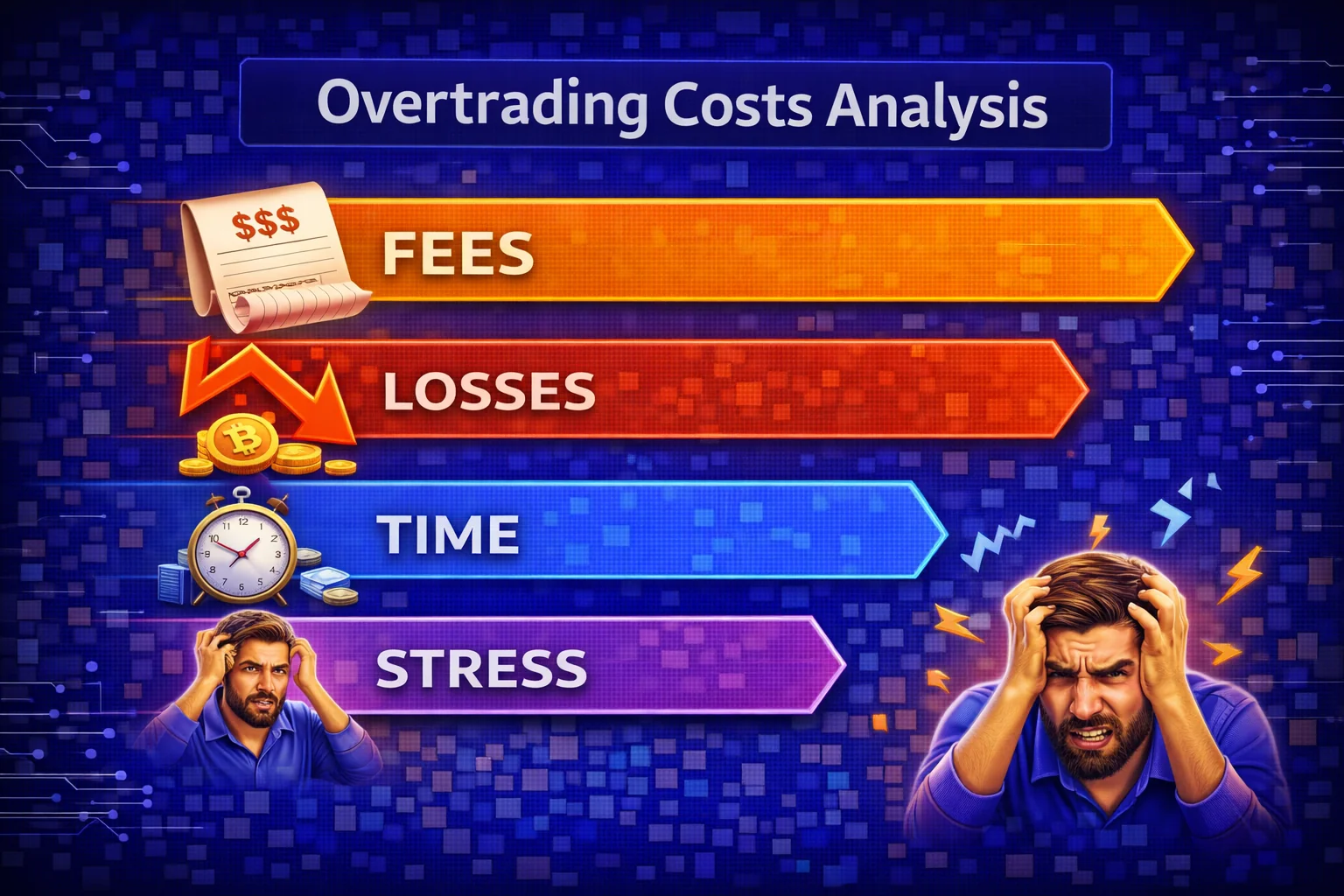
Constantly buying and selling cryptocurrencies, trying to time the market perfectly, or jumping between different coins chasing quick profits. This often leads to more losses than gains due to fees and poor timing.
Why Overtrading Hurts:
- Trading fees eat into profits
- Tax implications on every trade
- Emotional stress and poor decisions
- Missing long-term growth opportunities
Better Strategies:
- Buy and Hold: Long-term investing often outperforms trading
- Set Limits: Decide maximum trading frequency in advance
- Focus on Fundamentals: Invest in projects you believe in
- Track Performance: Calculate real returns including fees and taxes
5. Not Doing Proper Research (DYOR)
The Mistake:
Investing in cryptocurrencies based on social media tips, influencer recommendations, or hype without understanding the project's technology, team, use case, or tokenomics.
Research Checklist:
- Read the White paper: Understand the project's goals and technology
- Check the Team: Research founders and developers' backgrounds
- analyse Tokenomics: Supply, distribution, and inflation rate
- Review Use Cases: Real-world applications and adoption
- Community Health: Active development and user engagement
- Competition Analysis: How it compares to similar projects
Red Flags to Avoid:
- Anonymous teams with no track record
- Unrealistic promises or guaranteed returns
- No clear use case or technology
- Heavy marketing with little substance
- Copied white papers or code
6. Ignoring Security Best Practices
The Mistake:
Using weak passwords, not enabling two-factor authentication (2FA), or keeping large amounts on exchanges instead of personal wallets. Many beginners treat crypto security casually until they lose money.
Essential Security Measures:
- Enable 2FA: Use authenticator apps, not SMS
- Strong Passwords: Unique passwords for each account
- Regular Updates: Keep software and apps updated
- Secure Networks: Avoid public WiFi for crypto activities
- Email Security: Secure your email account thoroughly
- Regular Backups: Test wallet recovery procedures
Exchange vs Wallet Security:
- Exchanges: Convenient but higher risk of hacks
- Hot Wallets: Good for small amounts and frequent use
- Hardware Wallets: Best for long-term storage of larger amounts
7. Forgetting About Tax Implications
The Mistake:
Not keeping records of cryptocurrency transactions or assuming crypto gains aren't taxable. Many beginners get surprised by large tax bills or penalties for unreported crypto income.
Tax Considerations:
- Taxable Events: Selling, trading, or using crypto for purchases
- Record Keeping: Track dates, amounts, and prices for all transactions
- Capital Gains: Different rates for short-term vs long-term holdings
- Mining/Staking: Often considered taxable income
- DeFi Activities: Complex tax implications for yield farming
Tax Management Tips:
- Use crypto tax software (CoinTracker, Koinly)
- Export transaction history regularly
- Consult with crypto-experienced accountants
- Consider tax-loss harvesting strategies
- Keep detailed records from day one
8. Emotional Decision-Making
The Mistake:
Making investment decisions based on fear, greed, or market emotions rather than rational analysis. This leads to buying high during euphoria and selling low during panic.
Common Emotional Traps:
- FOMO (Fear of Missing Out): Buying during price spikes
- FUD (Fear, Uncertainty, Doubt): Panic selling during crashes
- Confirmation Bias: Only seeking information that confirms beliefs
- Sunk Cost Fallacy: Holding losing investments too long
Emotional Control Strategies:
- Set Clear Rules: Decide entry and exit points in advance
- Use Stop Losses: Automate selling decisions
- Take Breaks: Step away during high volatility
- Focus on Long-term: Don't obsess over daily price movements
- Diversify: Reduce emotional attachment to single investments
9. Putting All Eggs in One Basket
The Mistake:
Investing everything in one cryptocurrency, one exchange, or even just crypto, without any traditional investments. This concentration risk can lead to devastating losses if something goes wrong.
Diversification Strategies:
- Multiple Cryptocurrencies: Spread risk across different projects
- Different Sectors: DeFi, Layer 1s, gaming, etc.
- Multiple Exchanges: Don't keep everything on one platform
- Asset Classes: Balance crypto with stocks, bonds, real estate
- Geographic Diversification: Consider global projects and regulations
Portfolio Allocation Guidelines:
- Never invest more than you can afford to lose
- Consider crypto as 5-10% of total portfolio for beginners
- Rebalance periodically to maintain target allocations
- Gradually increase crypto allocation as you gain experience
10. Not Having an Exit Strategy
The Mistake:
Investing without clear goals or plans for when to take profits or cut losses. Many beginners hold through entire market cycles without ever realising gains.
Exit Strategy Components:
- Profit Targets: Predetermined price levels to sell portions
- Stop Losses: Maximum acceptable loss before selling
- Time Horizons: Short-term vs long-term holding periods
- Rebalancing Rules: When to adjust portfolio allocations
- Tax optimisation: Timing sales for tax efficiency
Sample Exit Strategy:
- Sell 25% at 2x initial investment
- Sell 25% at 5x initial investment
- Hold remaining 50% for long-term growth
- Set stop loss at 50% below purchase price
- Review and adjust strategy annually
Advanced Mistakes Even Experienced Users Make
11. Smart Contract Interaction Errors
- Wrong network transactions: Sending ETH tokens to BSC addresses
- Infinite approvals: Giving unlimited spending permissions to contracts
- Unaudited protocol usage: Using new DeFi protocols without security audits
- Gas price mistakes: Setting gas too low or too high
12. Yield Farming and DeFi Risks
- Impermanent loss ignorance: Not understanding AMM risks
- Rug pull susceptibility: Investing in unvetted DeFi projects
- Leverage overuse: Borrowing too much against collateral
- Token unlock events: Ignoring vesting schedules and sell pressure
13. Cross-Chain Bridge Mistakes
- Bridge security risks: Using unaudited or new bridges
- Wrong network selection: Sending to incorrect chains
- Slippage tolerance errors: Setting inappropriate slippage limits
- Bridge exploit exposure: Not monitoring bridge security status
Damage Control and Recovery Strategies
Immediate Response Protocol
If you realise you've made a mistake, act quickly:
For Compromised Accounts:
- Secure remaining funds: Move assets to new, secure wallets immediately
- Change all passwords: Update passwords for all crypto-related accounts
- Revoke permissions: Cancel any smart contract approvals
- Enable additional security: Add 2FA, whitelist addresses
- Monitor transactions: Watch for unauthorised activity
For Wrong Transactions:
- Check transaction status: Verify if transaction is confirmed
- Contact recipient: If known, ask for return of funds
- Check for recovery services: Some specialised services may help
- Document the loss: Keep records for tax purposes
- Learn from the mistake: Implement safeguards to prevent recurrence
Financial Recovery Strategies
Tax Loss Harvesting
- realise losses: Sell losing positions to offset gains
- Wash sale rules: Understand local tax regulations
- Timing optimisation: Plan sales for maximum tax benefit
- Professional advice: Consult crypto tax specialists
Portfolio Rebuilding
- Assess remaining assets: Inventory what you still have
- Reduce risk tolerance: Focus on safer investments initially
- Dollar-cost average back in: Gradually rebuild positions
- Diversify more broadly: Don't repeat concentration mistakes
Legal and Regulatory Recourse
When to Seek Legal Help
- Large losses: Significant financial impact
- Clear fraud: Evidence of intentional deception
- Platform failures: Exchange or service provider negligence
- Regulatory violations: Unregistered securities or services
Documentation Requirements
- Transaction records: All blockchain transactions and receipts
- Communications: Emails, chat logs, social media interactions
- Screenshots: Website content, advertisements, promises
- Financial impact: Detailed loss calculations and evidence
Comprehensive Prevention Framework
The Three-Layer Security Model
Layer 1: Technical Security
- Hardware wallets: For long-term storage
- Multi-signature wallets: For large amounts
- Regular software updates: Keep all crypto software current
- Secure networks: Avoid public Wi-Fi for crypto activities
Layer 2: Operational Security
- Verification procedures: Always double-check addresses
- Test transactions: Send small amounts first
- Regular audits: Review security settings monthly
- Backup procedures: Multiple secure backup locations
Layer 3: Behavioral Security
- Education commitment: Continuous learning about new threats
- Community engagement: Stay connected with security-focused groups
- sceptical mindset: Question everything, verify independently
- Risk management: Never invest more than you can afford to lose
Ultimate Crypto Safety Checklist
Use this comprehensive checklist to avoid cryptocurrency mistakes:
Before Investing (Foundation Phase):
- Research the project thoroughly (DYOR) - minimum 10 hours
- Only invest what you can afford to lose completely
- Set up secure wallets and enable 2FA on all accounts
- Plan your investment strategy and exit points in writing
- Understand tax implications in your country
- Test wallet recovery procedures with small amounts
- Create secure backup systems for seed phrases
Whilst Investing (Active Phase):
- Use dollar-cost averaging instead of lump sum buying
- Diversify across multiple cryptocurrencies and platforms
- Keep detailed records of all transactions with timestamps
- Regularly backup wallet seed phrases securely
- Stay informed but avoid emotional decisions
- Set up price alerts instead of constantly checking prices
- Use test transactions for new addresses or protocols
Ongoing Security (Maintenance Phase):
- Never share private keys or seed phrases with anyone
- Verify all website URLs before entering credentials
- Use hardware wallets for amounts over $1,000
- Keep software and apps updated to the latest versions
- Be sceptical of "too good to be true" opportunities
- Regularly review and revoke unnecessary smart contract approvals
- Monitor accounts for unauthorised activity weekly
- Update security settings and passwords quarterly
Advanced Protection (Expert Phase):
- Use multi-signature wallets for large holdings
- Implement time-locked transactions for major moves
- Set up dead man's switches for inheritance planning
- Use privacy tools to protect transaction history
- Maintain multiple backup strategies across locations
- Regular security audits of your entire crypto setup
Psychological Factors Behind Cryptocurrency Investment Mistakes
Cognitive Biases in Cryptocurrency Decision-Making
Understanding the psychological factors that drive poor cryptocurrency investment decisions is crucial for developing effective prevention strategies. Cognitive biases that affect traditional investment decisions are amplified in the cryptocurrency market due to its high volatility, 24/7 trading nature, and the technical complexity that can overwhelm decision-making processes. These psychological factors often override rational analysis and lead to systematic errors that cost investors significant amounts of money.
Confirmation bias plays a particularly destructive role in cryptocurrency investing, where investors seek information that confirms their existing beliefs while ignoring contradictory evidence. This bias leads to inadequate due diligence, overconfidence in risky investments, and failure to recognise warning signs of scams or failing projects. Social media echo chambers amplify this effect, creating environments where investors receive only positive reinforcement for their investment decisions.
The availability heuristic causes investors to overweight recent or memorable events when making decisions, leading to poor risk assessment and timing. Success stories of early Bitcoin millionaires or recent price surges receive disproportionate attention compared to the more common stories of losses and failures. This bias contributes to unrealistic expectations about returns and inadequate preparation for market downturns and volatility.
Emotional Regulation and Investment Discipline
Emotional regulation becomes particularly challenging in cryptocurrency markets due to extreme price volatility and the constant availability of trading platforms. Fear of missing out (FOMO) and fear, uncertainty, and doubt (FUD) create emotional cycles that drive poor decision-making patterns. Successful cryptocurrency investors develop systematic approaches to emotional regulation that include predetermined investment rules, cooling-off periods for major decisions, and support systems that provide objective perspectives during emotional periods.
The gamification elements present in many cryptocurrency platforms and communities can trigger addictive behaviors similar to gambling addiction. Features like real-time price tracking, social trading, and reward systems activate psychological reward pathways that can override rational investment decision-making. recognising these psychological triggers and implementing safeguards against impulsive behavior is essential for maintaining disciplined investment approaches.
Social proof and herd mentality effects are particularly strong in cryptocurrency communities, where group dynamics can drive collective decision-making that ignores individual risk tolerance and financial circumstances. The pressure to conform to community sentiment can lead to investment decisions that are inappropriate for individual situations. Developing independent decision-making frameworks and maintaining perspective on personal financial goals helps resist these social pressures.
Risk Perception and Management Psychology
Risk perception in cryptocurrency investing is often distorted by several psychological factors that lead to inadequate risk management practices. The abstract nature of digital assets makes it difficult for many investors to fully comprehend the risks involved, leading to overconfidence and inadequate preparation for potential losses. Unlike physical assets or traditional investments, cryptocurrency exists only as digital records, making the concept of permanent loss more difficult to internalize until it actually occurs.
Optimism bias leads many cryptocurrency investors to underestimate the probability of negative outcomes while overestimating their ability to avoid common mistakes. This bias contributes to inadequate security practices, insufficient diversification, and overallocation to high-risk investments. Systematic risk assessment processes and regular review of security practices help counteract optimism bias and maintain appropriate caution levels.
The sunk cost fallacy becomes particularly problematic in cryptocurrency investing, where investors continue holding losing positions or increasing investments in failing projects because of previous commitments. The emotional attachment to investments and the desire to avoid realising losses can prevent rational decision-making about when to exit positions. Implementing predetermined exit criteria and regular portfolio reviews helps overcome sunk cost bias and maintain objective investment decisions.
Information Processing and Decision-Making Frameworks
Information overload is a significant challenge in cryptocurrency investing, where the constant stream of news, analysis, and social media commentary can overwhelm decision-making processes. The rapid pace of development in the cryptocurrency space creates pressure to make quick decisions without adequate analysis, leading to poor investment choices and security oversights. Developing systematic information filtering and analysis processes helps manage information overload and maintain focus on relevant factors.
Analysis paralysis can also affect cryptocurrency investors, particularly those who become overwhelmed by the technical complexity and vast amount of information available. This paralysis can prevent investors from taking necessary actions like implementing security measures or making portfolio adjustments. Balancing thorough analysis with decisive action requires developing structured decision-making frameworks that prioritise the most important factors while avoiding perfectionism.
The illusion of control leads many cryptocurrency investors to believe they can predict or control market outcomes through analysis or timing strategies. This illusion contributes to overtrading, inadequate diversification, and failure to implement proper risk management measures. recognising the limits of prediction and control in volatile markets helps maintain realistic expectations and appropriate risk management practices.
Social and Cultural Influences on Investment Behavior
Social media and online communities play increasingly important roles in shaping cryptocurrency investment decisions, often in ways that promote risky behavior and poor decision-making. The viral nature of cryptocurrency content on platforms like Twitter, Reddit, and TikTok can create artificial urgency and social pressure that overrides careful analysis. Understanding these social dynamics and developing resistance to social pressure is essential for maintaining independent investment judgement.
Cultural attitudes towards money, risk, and technology significantly influence how individuals approach cryptocurrency investing. Cultural backgrounds that emphasize quick wealth accumulation or technological optimism may predispose individuals to take excessive risks or ignore warning signs. Conversely, cultures that emphasize extreme caution may prevent individuals from taking appropriate risks or implementing necessary security measures. recognising these cultural influences helps develop more balanced and appropriate investment approaches.
Generational differences in technology adoption and risk tolerance create different vulnerability patterns to cryptocurrency mistakes. Younger investors may be more comfortable with technology but lack experience with financial risk management, while older investors may have better risk management skills but struggle with technical security requirements. Understanding these generational patterns helps tailor education and prevention strategies to different demographic groups.
Professional Risk Management and Advanced Mistake Prevention
Institutional-Grade Security Protocols
Professional cryptocurrency management requires implementation of institutional-grade security protocols that address sophisticated threats and operational risks beyond basic security measures. Advanced security frameworks include multi-signature wallet architectures, hardware security modules, comprehensive access controls, and systematic security auditing procedures that protect against both external attacks and internal operational errors.
Enterprise security implementation includes development of comprehensive security policies, systematic employee training programs, and regular security assessments that maintain security standards while enabling operational efficiency. Professional security management utilises advanced threat intelligence, systematic vulnerability assessments, and comprehensive incident response procedures that minimise security risks while maintaining operational continuity and asset protection.
Advanced Portfolio Risk Management
Professional cryptocurrency portfolio management requires sophisticated risk management frameworks that address market volatility, concentration risks, and operational challenges through systematic assessment and mitigation procedures. Advanced risk management includes implementation of comprehensive position sizing models, systematic correlation analysis, and sophisticated hedging strategies that protect portfolio value while maintaining growth objectives.
Risk management frameworks include development of comprehensive stress testing procedures, implementation of systematic rebalancing protocols, and creation of sophisticated monitoring systems that provide early warning of potential issues. Professional risk management utilises advanced analytics, systematic scenario analysis, and comprehensive contingency planning that enables proactive risk mitigation while maintaining investment objectives and operational efficiency.
Regulatory Compliance and Legal Risk Mitigation
Professional cryptocurrency operations require comprehensive understanding of regulatory frameworks, compliance obligations, and legal risks that impact cryptocurrency activities across different jurisdictions and operational environments. Regulatory compliance includes implementation of systematic documentation procedures, comprehensive reporting systems, and professional legal consultation that ensures appropriate regulatory adherence while maintaining operational flexibility.
Legal risk mitigation includes development of comprehensive compliance frameworks, systematic monitoring of regulatory developments, and professional legal structuring that minimises legal exposure while enabling strategic cryptocurrency operations. Professional compliance management utilises advanced legal analytics, systematic regulatory monitoring, and comprehensive documentation procedures that ensure ongoing legal compliance while maintaining operational efficiency and strategic advantages.
Technology Integration and Operational Excellence
Professional cryptocurrency operations leverage advanced technology platforms, automated monitoring systems, and sophisticated operational procedures that minimise human error whilstenhancing operational efficiency and security standards. Technology integration includes implementation of automated transaction monitoring, comprehensive audit trail systems, and sophisticated analytics platforms that provide actionable insights for operational optimisation.
Operational excellence includes development of systematic procedures, comprehensive training programs, and sophisticated quality control systems that minimise operational risks while maintaining efficiency and security standards. Professional operations management utilises advanced automation systems, systematic performance monitoring, and comprehensive improvement procedures that enhance operational effectiveness while maintaining security and compliance requirements.
Conclusion
The cryptocurrency market offers tremendous opportunities for financial growth and innovation, but success requires more than just market knowledge and investment timing—it demands a comprehensive understanding of security practices, risk management, and the discipline to avoid common pitfalls that have cost investors billions of dollars. The mistakes outlined in this guide are not theoretical risks but real threats that continue to affect both novice and experienced cryptocurrency users daily.
The most important lesson from examining these costly mistakes is that the vast majority are completely preventable through proper education, careful planning, and disciplined execution of security best practices. Unlike traditional financial systems where regulatory oversight and institutional safeguards provide some protection against errors, the cryptocurrency ecosystem places full responsibility on individual users to protect their assets and make informed decisions.
Developing a security-first mindset is essential for long-term success in cryptocurrency investing. This means treating every transaction as potentially irreversible, every platform as potentially compromised, and every investment decision as requiring thorough research and risk assessment. The convenience and potential profits of cryptocurrency should never overshadow the fundamental importance of protecting your capital through proper security practices and risk management.
The cryptocurrency landscape continues to evolve rapidly, with new technologies, platforms, and investment opportunities emerging alongside new types of scams and security threats. Staying informed about these developments, maintaining healthy scepticism about too-good-to-be-true opportunities, and continuously updating your security practices are essential for navigating this dynamic environment successfully.
Remember that cryptocurrency investing is a marathon, not a sprint. The goal should be sustainable, long-term wealth building rather than quick profits that expose you to unnecessary risks. By implementing the prevention strategies outlined in this guide, maintaining disciplined security practices, and learning from the mistakes of others, you can significantly reduce your risk while positioning yourself to benefit from the tremendous opportunities that cryptocurrency markets offer.
The cost of cryptocurrency mistakes can be devastating, but the knowledge to prevent them is freely available and relatively straightforward to implement. Take the time to educate yourself, invest in proper security tools, and develop the habits that will protect your investments for years to come. Your future self will thank you for the precautions you take today.
Advanced Security Considerations for 2025
The integration of artificial intelligence and machine learning in security monitoring systems is enhancing threat detection capabilities, providing additional layers of protection for cryptocurrency investors who implement these advanced tools. Institutional-grade custody solutions are becoming more accessible to retail investors, offering professional security standards that were previously available only to large-scale investors.
Multi-signature wallet implementations have evolved significantly, with user-friendly interfaces making complex security setups accessible to non-technical users. These solutions require multiple private keys to authorize transactions, dramatically reducing the risk of single points of failure that have historically plagued individual cryptocurrency holdings.
The emergence of decentralised identity solutions and zero-knowledge proof technologies is creating new possibilities for secure authentication without compromising privacy. Hardware security modules and multi-party computation protocols are advancing the state of key management, reducing the risk of single points of failure that have historically plagued cryptocurrency security.
Regulatory Landscape and Compliance Considerations
As the ecosystem matures, insurance products specifically designed for cryptocurrency holdings are becoming more comprehensive and affordable, providing additional peace of mind for investors who implement proper security practices. The regulatory environment continues to evolve, with clearer guidelines emerging for custody standards and security requirements that help establish industry best practices.
Tax compliance has become increasingly important as governments worldwide develop clearer frameworks for cryptocurrency taxation. Maintaining detailed records of all transactions, including dates, amounts, and purposes, is essential for accurate tax reporting and avoiding potential legal complications. Professional tax software designed for cryptocurrency transactions can automate much of this record-keeping process.
Know Your Customer (KYC) and Anti-Money Laundering (AML) requirements are becoming standard across legitimate cryptocurrency platforms. Whilst these requirements may seem burdensome, they actually provide additional protection by ensuring platforms maintain proper security standards and regulatory compliance that protect user funds.
Building Long-Term Investment Discipline
Educational resources and security tools are becoming more sophisticated and user-friendly, making it easier for newcomers to implement professional-grade security measures from the start of their cryptocurrency journey. The community-driven nature of cryptocurrency development means that security innovations are rapidly shared and adopted across the ecosystem, creating a collective defence against emerging threats and vulnerabilities.
Dollar-cost averaging strategies have proven particularly effective for cryptocurrency investments, helping investors avoid the emotional decision-making that leads to buying high and selling low. Setting up automated purchases during regular intervals removes the temptation to time the market and reduces the impact of volatility on overall portfolio performance.
Portfolio diversification within the cryptocurrency space requires understanding different asset categories, including store-of-value coins like Bitcoin, smart contract platforms like Ethereum, and specialised tokens for specific use cases. Avoiding concentration in any single asset or sector helps protect against project-specific risks while maintaining exposure to the overall growth of the cryptocurrency ecosystem.
Risk management frameworks developed for traditional investments apply equally well to cryptocurrency portfolios. Setting clear allocation limits, rebalancing regularly, and maintaining emergency funds in traditional assets ensure that cryptocurrency investments enhance rather than jeopardize overall financial security. These advances are making cryptocurrency investing safer and more accessible while maintaining the fundamental principles of decentralisation and user sovereignty that make digital assets attractive to forwards-thinking investors.
Sources & References
Avoid Mistakes with Trusted Platforms
Start your crypto journey safely with these reputable platforms that help prevent common mistakes:
- OKX - Beginner-Friendly Exchange - Educational resources and security features
- Ledger Hardware Wallet - Prevent private key mistakes
- Coinbase Review - Regulated and insured platform
Frequently Asked Questions
- What's the biggest mistake crypto beginners make?
- FOMO buying during market peaks is the most common and costly mistake. Beginners often buy when prices are highest due to media hype, then panic sell when prices drop, locking in losses.
- How much should I invest in cryptocurrency as a beginner?
- Never invest more than you can afford to lose entirely. For beginners, 5-10% of your total investment portfolio is a reasonable starting point. You can increase this as you gain experience and knowledge.
- Is it safe to keep cryptocurrency on exchanges?
- Exchanges are convenient but risky for long-term storage. Use exchanges for trading and move larger amounts to hardware wallets. Follow the rule: "Not your keys, not your coins."
- How do I know if a cryptocurrency project is legitimate?
- Research the team, read the whitepaper, check for active development on GitHub, look for security audits, and verify real-world use cases. Avoid projects that promise guaranteed returns or employ high-pressure sales tactics.
- What should I do if I think I've been scammed?
- Document everything, secure your remaining assets, report to authorities (FBI IC3, FTC), warn others in crypto communities, and consider legal consultation for large losses.
- Can I recover lost cryptocurrency?
- Recovery depends on the situation. Lost private keys usually mean permanent loss, but some specialised services might help. Wrong address transactions are typically irreversible, but you can try contacting the recipient.
← Back to Crypto Investing Blog Index
Financial Disclaimer
This content is not financial advice. All information provided is for educational purposes only. Cryptocurrency investments carry significant investment risk, and past performance does not guarantee future results. Always do your own research and consult a qualified financial advisor before making investment decisions.